
According to Think with Google, 82% of smartphone users consult their phones while standing in a store, deciding which product to buy, and one in ten ends up purchasing a different product than they originally planned. That single statistic tells you everything you need to know about why moment marketing is no longer optional. It is the difference between a brand that wins the sale and one that never even gets considered.
In today’s hyper-connected world, attention spans are short, and consumer decisions happen in seconds. Brands that show up at the exact right moment with the exact right message don’t just get clicks, they earn loyalty, trust, and revenue. This 2026 guide breaks down everything you need to know about moment marketing: what it means, why it matters, the types available to you, how to execute it, and the campaigns that have done it best.
What is Real-Time Marketing and Its Benefits for Brands?
Before we dive into the specifics of moment marketing, it helps to understand the broader umbrella it falls under: real-time marketing.
Real-time marketing is the practice of creating and delivering content, campaigns, or responses based on what is happening right now, whether that’s a trending news event, a sporting milestone, a viral social media conversation, or a cultural moment that has captured public attention. Unlike traditional marketing campaigns that are planned months in advance, real-time marketing is reactive, agile, and deeply contextual.
The benefits for brands are significant. When a brand responds to a current event with a clever, relevant piece of content, it earns organic reach that no paid campaign can replicate. Consumers share it, talk about it, and remember it. It humanizes the brand, showing that there are real, switched-on people behind the logo who are tuned into the same cultural frequency as their audience.
Real-time marketing also dramatically improves engagement rates. Content tied to something people already care about performs far better than generic promotional material. And when it’s done well, it positions a brand as culturally aware and trustworthy, qualities that translate directly into conversions.
Moment marketing is the most refined and intentional form of real-time marketing. It goes beyond just reacting to trends, it’s about identifying and capitalizing on specific moments in a consumer’s journey or in the broader cultural calendar with precision, creativity, and speed.
What is Moment Marketing?
Moment marketing is a digital marketing strategy where brands capitalize on trending events, cultural conversations, news, festivals, or real-time situations to craft and deliver timely, relevant content that resonates with their target audience. The goal is simple: show up in the right moment, with the right message, on the right platform.
The moment marketing meaning extends beyond just posting about a cricket match or a national holiday. It is a disciplined approach to brand communication that requires deep audience understanding, real-time monitoring, creative agility, and swift execution. When a brand sees a cultural moment forming, whether it’s the launch of a blockbuster film, a national election result, or a sudden meme trend, it pivots quickly to align its messaging with that moment in a way that feels natural and on-brand.
What separates moment marketing from opportunistic posting is intent and relevance. The brand doesn’t shoehorn itself into every conversation. Instead, it identifies the moments where its brand voice, values, or product naturally fit, and then it executes with creativity.
Think of it this way: If you run a food delivery brand and there’s a power outage trending on Twitter, a quick, witty post saying “No power? We’ve still got your back” is moment marketing. It’s contextual, human, and useful, and it gets shared.
For businesses looking to build a strong social media presence, our Social Media Marketing Services at Web Marlins are built around exactly this kind of strategic, moment-aware content creation.
Benefits of Moment Marketing
The benefits of adopting a strong moment marketing strategy are both immediate and long-term. Here’s why more brands, from global giants to small Indian businesses, are investing in it:
1. Massive Organic Reach Without Paid Spend When a brand taps into a trending cultural moment, its content spreads organically. Users share it, tag friends, and engage with it in ways that paid advertising simply cannot replicate. This is one of the most cost-effective ways to amplify brand visibility.
2. Higher Engagement Rates Content that is timely and contextually relevant performs significantly better than evergreen promotional content. When your audience is already talking about something, joining that conversation positions your brand inside an active emotional space, resulting in more likes, comments, shares, and saves.
3. Improved Brand Recall Consumers remember brands that made them laugh, feel something, or surprise them in the right moment. Moment-based marketing creates these memorable touchpoints that stick in the mind long after the trend has passed.
4. Builds Brand Personality and Authenticity Moment marketing humanizes your brand. A quick, clever, culturally aware post tells your audience: “We’re paying attention. We’re one of you.” This is invaluable for building long-term brand affinity and trust.
5. Competitive Differentiation In saturated markets, moment marketing is a powerful differentiator. When two brands sell similar products, the one that consistently appears in culturally relevant moments is the one consumers develop a preference for.
6. Drives Website Traffic and Conversions Well-executed moment marketing campaigns often include a call-to-action or link back to a product, service, or landing page. When paired with a strong SEO strategy and a responsive website, this can translate directly into measurable sales impact.
7. Enhances Social Proof When a brand’s moment marketing post goes viral or receives widespread positive responses, it creates powerful social proof. New users discover the brand through shared content, and the visible engagement reassures them about the brand’s credibility.
Also Read This: Social Media Marketing Trends in India You Need to Know in 2026
What Are the Types of Moment Marketing?
Not all moments are created equal. Understanding the different types of moment marketing helps you plan ahead, allocate resources properly, and respond with the right kind of content at the right time.
1. Planned Moment Marketing (Predictable Moments)
These are moments that you know are coming, national holidays, sporting events, festivals, product launch anniversaries, and annual occasions like Diwali, IPL, New Year, World Cup, or Valentine’s Day. Planned moment marketing allows you to prepare content in advance, get approvals sorted, and launch with precision on the day.
This is the most common type for most businesses, and it forms the backbone of any content calendar. The challenge is standing out from the dozens of other brands doing the same thing. The brands that win here are the ones that bring a unique perspective, a clever creative twist, or a brand-specific angle that makes their content feel fresh rather than generic.
2. Reactive Moment Marketing (Unplanned Moments)
These are moments that emerge suddenly and unexpectedly, a viral tweet, a shocking news event, an unexpected celebrity moment, or a social media trend that explodes overnight. Reactive moment marketing requires speed, creativity, and a well-defined brand voice that allows your team to act confidently without lengthy approval processes.
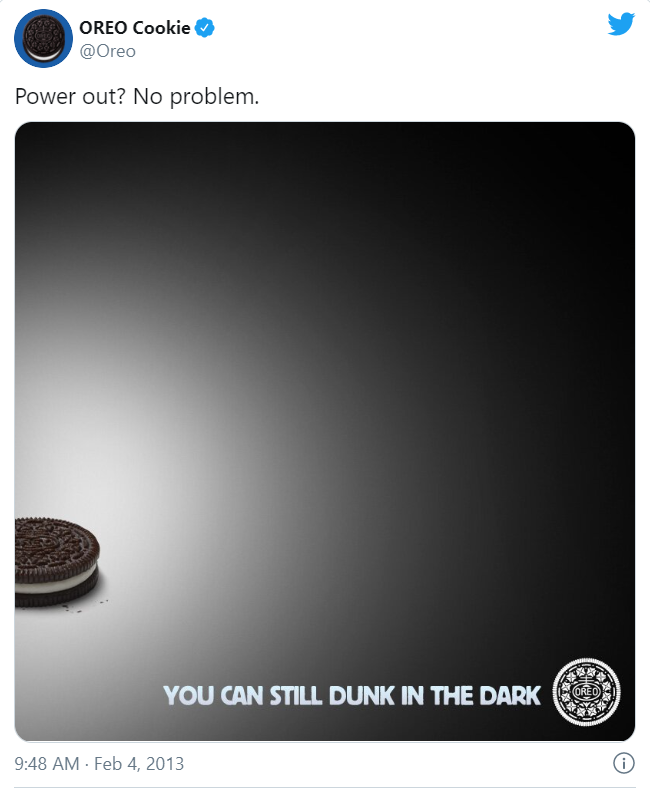
Oreo’s iconic “Dunk in the Dark” tweet during the 2013 Super Bowl blackout is the gold standard of reactive moment marketing, a campaign that took just minutes to execute and generated years of brand recall.
3. Cultural and Social Moment Marketing
Brands increasingly participate in cultural conversations around social movements, awareness days, or significant societal shifts. This type requires careful, thoughtful execution, brands that participate inauthentically are quickly called out. Done right, it builds deep emotional resonance with values-driven consumers.
4. Seasonal Moment Marketing
Tied to seasons, weather patterns, or recurring cultural shifts (back-to-school season, monsoon, summer, wedding season in India), this type blends elements of planned and reactive marketing. The trigger is predictable, but the specific angle and creative execution can still feel fresh and timely.
5. Crisis and Opportunity Moment Marketing
Some brands have turned difficult public situations, a supply disruption, a competitor’s failure, or a category-wide challenge into moment marketing opportunities. This requires exceptional brand judgment and ethical clarity, but when done well, it can position a brand as a leader and a problem-solver.
What is Micro Moment Marketing?
While moment marketing deals with cultural events and real-time trends, what is micro moment marketing refers to something slightly different but equally powerful: the individual, intent-driven moments when consumers turn to their devices to learn, do, discover, or buy something.
The concept of micro moment marketing was coined and popularized by Google. According to Think with Google, micro-moments are “intent-rich moments when a person turns to a device to act on a need, to-know, go, do, or buy.” Consumers experience an average of 150 of these micro-moments every single day.
Google identifies four core types of micro-moments:
I Want to Know Moments, The consumer is researching or exploring a topic but isn’t necessarily ready to buy. They’re looking for information, comparisons, or answers. Brands that provide genuinely helpful, authoritative content during this stage build trust and stay top of mind for when the purchase decision arrives.
I Want to Go Moments, The consumer is looking for a local business, service, or specific location. This is where local SEO becomes critical. According to Think with Google, 76% of people who search for something nearby on their smartphone visit a related business within a day, and 28% of those searches result in a purchase.
I Want to Do Moments, The consumer wants help completing a task, learning a skill, or trying something new. How-to videos, step-by-step guides, tutorials, and practical content perform exceptionally well here. Brands that help consumers accomplish something build genuine goodwill.
I Want to Buy Moments, The consumer is ready to make a purchase but needs help deciding what to buy or how to buy it. This is where product pages, reviews, comparison content, and clear calls-to-action become decisive.
The strategic implication of micro-moment marketing is straightforward: your brand needs to be present, helpful, and fast across each of these intent stages. A slow-loading website, unhelpful content, or a confusing checkout flow will lose the consumer in seconds. Google research confirms that nearly a third of smartphone users will switch to a competitor’s site or app if their needs aren’t met quickly enough.
For small and medium businesses in India, what is micro moment marketing boils down to this: be where your customer is searching, give them exactly what they need, and make the path to action as frictionless as possible. This is why Web Marlins’ Local SEO Services are built to capture these critical “I want to go” and “I want to buy” micro-moments at the exact moment of consumer intent.
What are the steps you should follow before making a moment marketing campaign
Moment-based marketing is not just for multinational corporations with massive creative teams. Small businesses can, and do, execute it brilliantly. Here’s a practical framework for getting started:
Step 1: Build a Moment Calendar
Start by mapping out all the predictable moments relevant to your business and industry for the next three to six months. This includes national holidays, regional festivals, industry events, product anniversaries, and seasonal shifts. In India, this might mean Diwali, Holi, IPL season, Independence Day, International Women’s Day, and so on. Build your content calendar around these anchors.
Step 2: Set Up Social Listening Tools
For reactive moment marketing, you need to know what’s trending before it peaks. Tools like Google Trends, Twitter/X trending topics, and platform-specific analytics help you spot emerging conversations. The earlier you identify a relevant trend, the more time you have to craft quality content before the moment passes.
Step 3: Define Your Brand Voice and Pre-Approve a Creative Framework
One of the biggest barriers to reactive moment marketing is the approval process. By the time the content gets signed off, the trend is over. Work with your team to define a clear brand voice document, the tone, values, and boundaries of your brand communication, so that your content team can move quickly without second-guessing every word.
Step 4: Create Platform-Specific Content
A moment marketing post for Instagram looks very different from one on LinkedIn or Twitter/X. Understand the format, tone, and audience expectations of each platform you use. Visual content, memes, and short-form video tend to dominate social moments, while long-form content works better for “I want to know” micro-moments through your blog and website.
Step 5: Optimize for Mobile First
Given that the majority of moment marketing consumption happens on mobile devices, every piece of content you create must be mobile-optimized. This means fast-loading pages, thumb-friendly layouts, and visuals that render cleanly on small screens. Our Web Design Services ensure your digital presence is built for the mobile-first world, where moment marketing plays out.
Step 6: Measure and Iterate
Track the performance of every moment marketing initiative you run. Look at reach, engagement, website traffic, and any conversion impact. Over time, you’ll develop a clearer picture of which types of moments resonate most with your audience, and you can double down on those.
Step 7: Align Moment Marketing with Your SEO and Content Strategy
The most sophisticated brands don’t treat moment marketing as a standalone social media activity. They align it with their broader content and SEO strategy. A trending topic that aligns with your business can be the seed for a long-form blog post, a YouTube video, an email marketing campaign, and a social media series, all amplifying each other. Our Content Writing Services help businesses translate moments into content that ranks and converts over the long term.
What Are Some Successful Moment Marketing Campaigns by Top Brands?
Moment Marketing Examples: The Campaigns That Changed the Game
Understanding what is moment marketing is one thing. Seeing how the world’s best brands have executed it is where the real lessons live. Here are some of the most powerful moment marketing campaigns and what made them work:
1. Oreo, “Dunk in the Dark” (Super Bowl 2013) When the lights went out at the Super Bowl in New Orleans, Oreo’s social media team posted a simple image of an Oreo cookie with the text “You can still dunk in the dark.” Posted within minutes of the blackout, the tweet was retweeted thousands of times and generated massive press coverage, all for a piece of content that cost almost nothing to produce. This remains the definitive case study of reactive moment marketing done right.
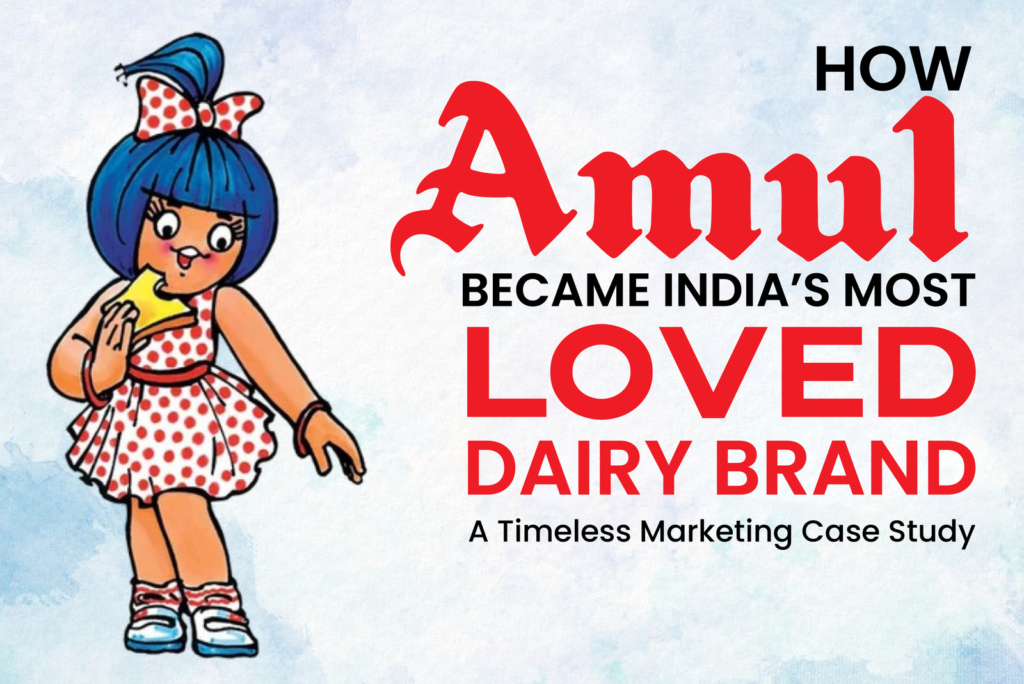
2. Amul, India’s Ongoing Moment Marketing Legacy Amul’s topical butter girl cartoons have been one of the most enduring moment marketing examples in Indian marketing history. For decades, the brand has commented on current events, cricket victories, political headlines, Bollywood releases, and social issues with witty, illustrated puns. It’s a masterclass in consistent moment-based marketing that keeps the brand culturally relevant across generations.
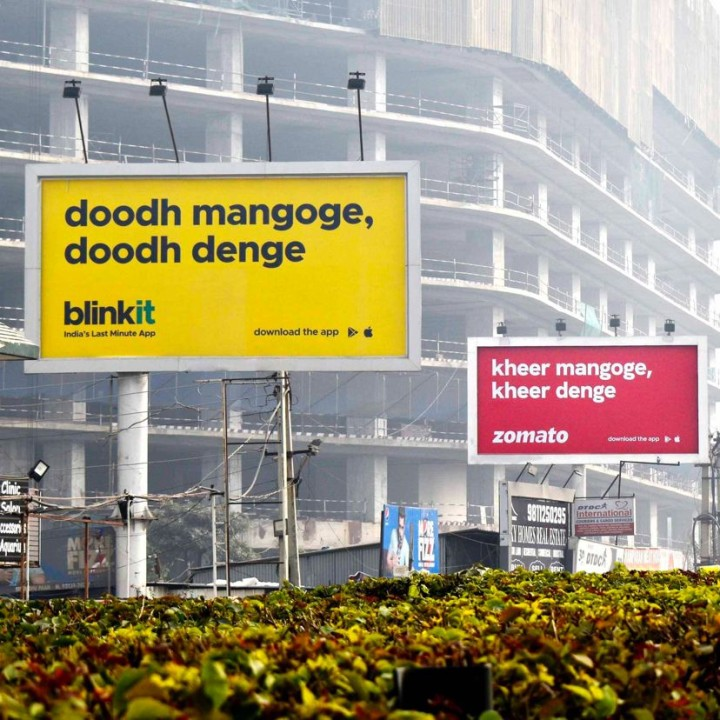
3. Zomato, Real-Time Social Media Mastery Zomato has built its brand identity substantially through moment marketing campaigns on Twitter/X and Instagram. Whether it’s responding cleverly to trending memes, jumping on viral conversations with food-related twists, or creating timely content around IPL matches and film releases, Zomato has turned real-time content creation into a core brand-building engine. Their social media presence regularly generates organic reach that far outperforms their paid campaigns.
4. Fevicol, “Dabaang 2” Train Scene Reference When Bollywood films create iconic cultural moments, Indian brands are quick to capitalize. Fevicol’s campaign tying its “unbreakable bond” positioning to popular cultural moments is a classic example of planned moment marketing that reinforces brand personality.
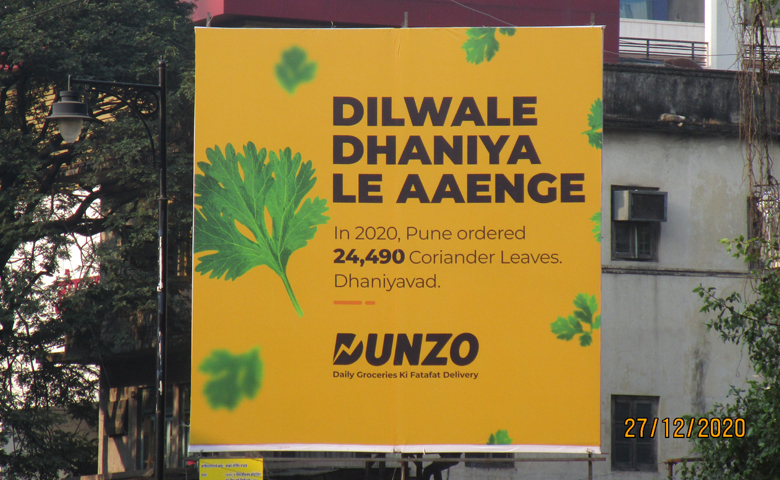
5. Dunzo, Hyperlocal Micro-Moment Marketing Dunzo’s entire business model is built around micro-moments, specifically “I want to do” and “I want to buy” moments. Their marketing mirrors this, with real-time social media content that responds to what’s happening in the city right now: a sudden rainstorm, a late-night food craving, an exam the next morning. Their messaging is designed to appear exactly when consumers need delivery most.
What Tools Help Brands Execute Moment Marketing in Social Media?
The right technology stack can make or break your ability to execute moment marketing at speed. Here are the key tools that help brands stay on top of real-time opportunities:
Social Listening and Trend Monitoring: Google Trends is a free and powerful starting point for identifying what topics are gaining search interest in real time. Twitter/X’s trending section gives you a live pulse on social conversations. Tools like Brandwatch, Sprout Social, and Mention provide deeper social listening capabilities, tracking brand mentions, competitor activity, and emerging conversations across platforms.
Content Creation and Design Canva and Adobe Express allow non-designers to create professional-looking visual content quickly, essential for reactive moment marketing, where speed is everything. Having pre-built templates in your brand colours and fonts dramatically reduces production time.
Social Media Scheduling and Management Buffer, Hootsuite, and Sprinklr allow you to schedule planned moment marketing content in advance and manage multiple platforms from a single dashboard. For reactive content, these tools also provide streamlined approval workflows that can speed up your response time.
Analytics and Performance Tracking Google Analytics 4, platform-native analytics, and tools like Semrush help you measure the downstream impact of your moment marketing efforts, from engagement on social to traffic spikes on your website. Understanding which moments drove real business results is critical for refining your strategy.
AI-Assisted Content Generation In 2026, AI tools are increasingly part of the moment marketing toolkit. Brands use AI to rapidly draft multiple creative variants of a topical post, which the human team then refines and publishes. This dramatically compresses the time from idea to execution, a critical advantage in reactive moment marketing.
If your business needs support building a full-stack digital marketing approach that includes moment marketing, our team at Web Marlins is equipped to help you develop a strategy that spans social media, SEO, PPC, and content, all working together to make your brand present in every moment that matters.
Conclusion
Moment marketing is one of the most powerful and underutilized strategies available to businesses of all sizes in 2026. Whether you’re a global brand reacting to a Super Bowl power outage or a Delhi-based startup posting a witty Diwali graphic, the principles are the same: be present, be relevant, be fast, and be authentically on-brand.
The brands winning the digital attention economy aren’t the ones with the biggest budgets. They’re the ones that understand their audience deeply enough to show up at the right moment with the right message. Combined with a strong foundation in SEO, content, and social media strategy, moment marketing can become one of your most potent growth engines.
Frequently Asked Questions (FAQs)
1. What is moment marketing in simple terms?
Moment marketing is the strategy of creating and publishing brand content in response to current events, trends, cultural moments, or consumer situations, in real time. It’s about being relevant at the right moment rather than pushing generic promotional content. In short, if something big is happening and your brand has something clever and relevant to say about it, that’s moment marketing.
2. What is the moment marketing meaning for small businesses?
For small businesses, the moment marketing means is essentially this: you don’t need a massive budget to be relevant. You need awareness, creativity, and speed. A local restaurant posting a witty social media graphic tied to a trending festival, a boutique clothing brand commenting on a popular film’s fashion, or a coaching centre posting about exam results day, all of these are moment marketing in action.
3. What is micro moment marketing, and how is it different from moment marketing?
Moment marketing typically refers to brand participation in cultural events, trends, or news. What is micro moment marketing, on the other hand, focuses on the individual consumer’s intent-driven moments, the specific instances when they pull out their phone to search for something to know, go, do, or buy. Both are about timing, but micro moment marketing is more about being present in the consumer’s personal decision journey, while moment marketing is more about cultural participation.
4. Can you give some moment marketing examples from Indian brands?
Some iconic moment marketing examples from India include Amul’s topical cartoons (which have been running for decades), Zomato’s reactive Twitter/X posts tied to cricket and Bollywood, Swiggy’s witty moment-based content during IPL season, and Fevicol’s culturally anchored campaigns. These brands have built their social media identities substantially through moment marketing.
5. What are moment marketing campaigns, and how do I plan them?
Moment marketing campaigns are planned or reactive content initiatives tied to specific cultural or consumer moments. To plan them, build a content calendar around predictable moments (holidays, sporting events, festivals), set up social listening to catch reactive opportunities, define your brand voice clearly, create content quickly, and measure performance after every campaign to improve over time.
6. What is moment-based marketing in the context of customer journeys?
Moment-based marketing, especially in the context of customer journeys, refers to delivering personalized content or offers at specific stages of the consumer’s decision-making process. Rather than broadcasting the same message to everyone, moment-based marketing identifies where the customer is in their journey and responds with content specifically designed for that stage, whether they’re just researching, comparing options, or ready to buy.
7. How do I measure the success of a moment marketing campaign?
The key metrics for moment marketing campaigns include reach (how many people saw the content), engagement rate (likes, comments, shares, saves), share of voice (how your content compares to competitors’ in the same moment), website traffic spikes from social referrals, and any direct conversion impact. Tools like Google Analytics 4, platform analytics, and UTM tracking links help you connect moment marketing activity to business outcomes.
8. Is moment marketing suitable for B2B businesses?
Yes, moment marketing is not limited to consumer brands. B2B businesses can effectively use it by participating in industry events, commenting on regulatory changes, reacting to technology trends, or marking professional awareness days relevant to their sector. The tone and platform will differ (LinkedIn tends to dominate for B2B moment marketing), but the underlying principle, being timely, relevant, and contextual, applies equally. If you need help crafting a B2B moment marketing strategy, our Digital Marketing Agency team can help you find the right moments for your industry.