
According to this Google Search Central ecommerce documentation, Google understands ecommerce sites better when they use clear site structure, crawlable links, logical URLs, proper pagination handling, and structured data. That means the brands winning in 2026 are not guessing. They are building search-friendly online stores from the ground up.
If you want more qualified traffic and more revenue, you need seo strategies for ecommerce website growth that go beyond adding a few keywords to product pages. A strong ecommerce seo strategy connects technical SEO, content, user experience, product data, and internal architecture into one system that helps both users and search engines. This guide explains how to do seo for ecommerce website success practically, with 15 proven methods you can apply in 2026.
For brands that need expert execution, service pages like SEO Services, Content Writing Services, and Web Development Services align closely with the work required to improve e-commerce visibility and revenue.
1) Build a crawlable ecommerce site structure
One of the most important seo strategies for ecommerce website performance is clean site architecture. Google says it learns site importance and relationships by analyzing linkages between pages, not just URL folders. In simple words, your category pages, subcategory pages, and product pages should be easy to reach through navigation, breadcrumbs, and contextual links. This is the foundation of any sustainable ecommerce seo strategy because it helps search engines understand which pages matter most.
A practical store hierarchy looks like this: Home > Category > Subcategory > Product. That structure makes how to do seo for ecommerce website much easier because it reduces orphan pages, improves crawl paths, and sends stronger internal relevance signals. If your store is difficult to navigate, your rankings usually become difficult to scale too.
Google just introduced WebMCP (Web Model Context Protocol), a major shift in how AI bots crawl and interact with websites. Instead of scraping or “guessing” through page layouts, WebMCP lets sites expose structured actions directly to AI agents, making crawling faster, more reliable, and more conversion-friendly.
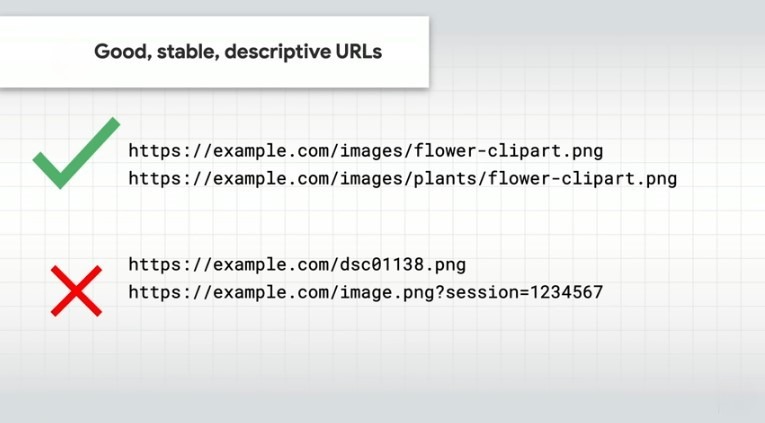
2) Use descriptive, stable URL structures
Google recommends short, logical, human-readable URLs and provides separate guidance for ecommerce URL design. Good URLs help search engines retrieve content efficiently and help users understand what a page is about before clicking. Poor URLs with random parameters, duplicate paths, or excessive filters can create indexing issues.
This matters especially for ecommerce category page seo because category pages often become the strongest ranking assets on a store. Use category URLs that reflect search intent, remain consistent over time, and avoid unnecessary clutter. Strong ecommerce seo ranking factors often begin with basic technical clarity, and URL design is one of those quiet but powerful foundations.
3) Prioritize category pages, not just product pages
Many store owners focus only on products, but category pages often target broader and more commercially valuable keywords. Effective ecommerce category page seo means optimizing category titles, intro copy, FAQs, filters, internal links, and metadata around real buying intent. A category page should not be a thin product grid. It should act like a curated landing page that helps shoppers compare options and move deeper into the store.
When thinking about how to do seo for ecommerce website, start by mapping major keyword clusters to categories and subcategories first. Then support them with product pages underneath. This is one of the most dependable seo strategies for ecommerce website growth because it lets you rank for head terms and still funnel users toward conversion-focused product pages.
Boost your SEO and delight users by avoiding the Top 9 Website Design Mistakes that kill conversions.
4) Optimize product pages for search and conversions
If you are asking how to optimize product pages for seo, begin with the basics: unique titles, useful descriptions, accurate product details, clear availability, pricing, shipping information, and content that genuinely helps buyers make decisions. Google’s product and merchant listing documentation emphasizes structured product information and accurate page-level details.
The real answer to how to optimize product pages for seo is not keyword stuffing. It is making each page more useful, more specific, and more trustworthy than competing pages. Include original product copy, FAQs, feature breakdowns, size or usage guidance, and review elements where relevant. These are the kinds of ecommerce seo ranking factors that support both better rankings and stronger conversion rates.
5) Add ecommerce structured data correctly
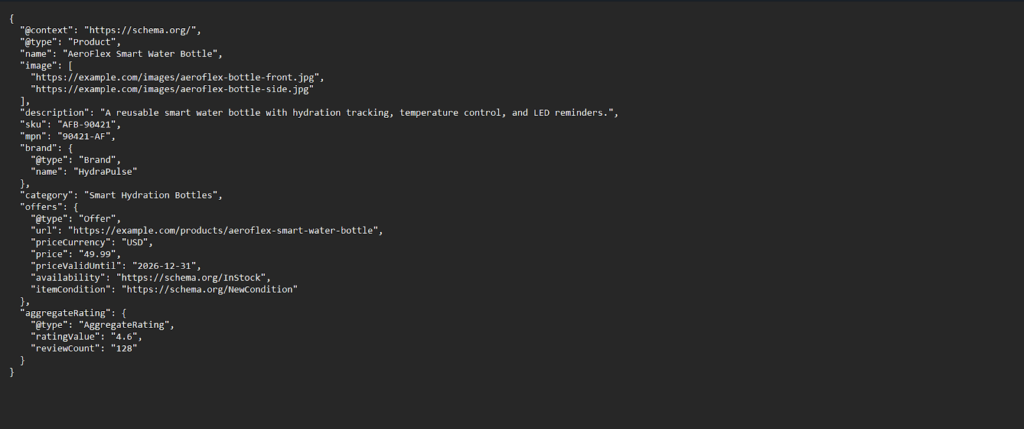
Structured data is one of the smartest seo strategies for ecommerce website owners in 2026 because it helps Google understand products, offers, pricing, returns, shipping, and merchant details more accurately. Google specifically recommends using structured data relevant to e-commerce and explains that Product and Offer markup can make pages eligible for merchant listing experiences.
A mature ecommerce seo strategy should include regular validation of product structured data and ongoing checks in Google tools. This is also critical for teams learning how to optimize product pages for seo, because markup supports better interpretation of product content, especially when your catalog is large and changes often. For implementation support, Web Development Services and SEO Services are two relevant internal service pages on your site.
For an external reference, review Google’s Best practices for ecommerce sites in Google Search and Merchant listing structured data documentation.
6) Control faceted navigation before it controls your crawl budget
Filters for color, size, brand, price, or material are useful for shoppers, but they can create a huge number of duplicate or low-value URLs. Google’s faceted navigation guidance explains that unnecessary filtered URLs can waste crawl resources and cause indexing problems if not managed carefully.
This is where ecommerce category page seo and technical SEO overlap. Not every filtered combination deserves indexing. One of the overlooked ecommerce seo ranking factors is whether search engines are being guided toward your most valuable pages instead of endless filtered variations. Strong stores decide which filters deserve indexable landing pages and which should remain crawl-limited.
7) Handle pagination the right way

Google says pagination and incremental loading need to be implemented carefully so crawlers can still discover all relevant content. If category pages or listings hide products behind scripts or infinite scroll without crawlable paths, search engines may miss inventory.
For how to do seo for ecommerce website properly, paginated listings should still expose crawlable links and preserve discoverability. This is a core part of seo strategies for ecommerce website scaling because larger catalogs depend on efficient crawling and complete product discovery. A solid ecommerce seo strategy is not just about ranking one page. It is about making the whole store accessible.
8) Strengthen internal linking across commercial pages
Google’s documentation makes it clear that internal links help search engines find pages and understand importance. That is why internal linking strategies for e-commerce websites should be intentional, not random. Your main navigation, breadcrumbs, related categories, featured collections, best-seller widgets, and editorial content should all support important money pages.
Good internal linking strategies for e-commerce websites also improve user journeys. Link from category pages to top brands, from guides to products, from product pages to related collections, and from blog-style educational content to service pages. If you are building long-term organic growth, internal linking strategies for ecommerce websites deserve a place in every monthly SEO review.
9) Create helpful buying guides and support content
Google’s SEO Starter Guide repeatedly centers content around usefulness. For ecommerce, that means publishing content that helps shoppers choose, compare, maintain, or understand products better. This supports category and product pages while broadening your search footprint.
This is also one of the most scalable seo strategies for ecommerce website brands can use because informational content feeds commercial pages through smarter internal links. It also strengthens internal linking strategies for ecommerce websites by giving you more relevant contexts to point toward categories and products. If you need this kind of content production, Content Writing Services is a directly relevant internal page from Web Marlins.
10) Improve title tags and on-page relevance

Google explains that title links influence how pages appear in search and that page titles should reflect the page well. For ecommerce, every important category and product page should have a unique, descriptive title that matches search intent without being repetitive or manipulative.
This is one of the essential ecommerce seo ranking factors because title relevance affects click behavior and helps search engines understand your page focus. It also matters in how to optimize product pages for seo, since product titles, brand signals, model details, and variant specifics all contribute to clarity. When teams ask how to do seo for ecommerce website, title optimization is still one of the fastest improvements to audit and fix.
11) Use authentic product reviews and trust content
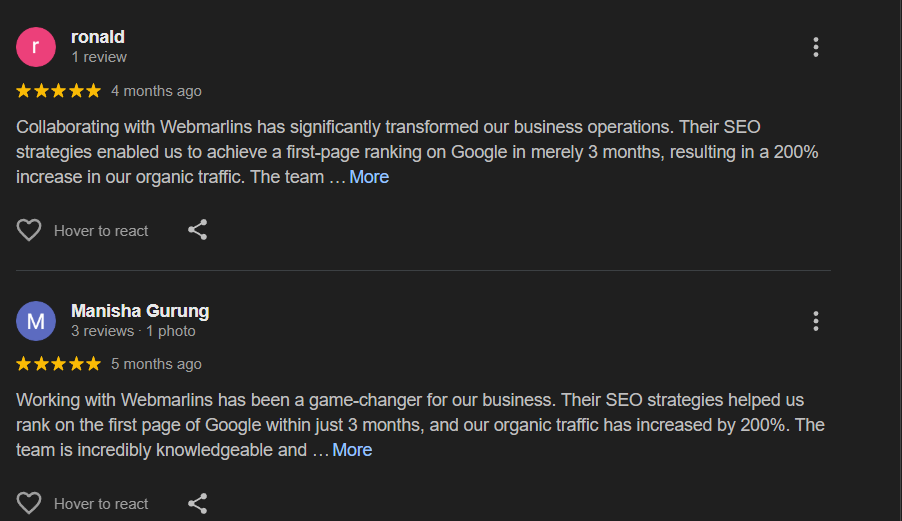
Google’s reviews guidance and reviews system documentation reward helpful, experience-based review content that shows insight and evidence. That means user-generated reviews, comparison notes, and practical product experience can support both trust and visibility when done well.
For ecommerce brands, this becomes part of how to optimize product pages for seo because strong product pages do more than list specifications. They answer real objections. Reviews, shipping details, return information, FAQs, and usage guidance all help reduce friction. Several modern ecommerce seo ranking factors overlap directly with buyer confidence.
12) Align SEO with development and UX
SEO performance in ecommerce depends heavily on development decisions. Navigation structure, filter behavior, pagination, template consistency, schema implementation, and crawlability often need developer support. That is why an ecommerce seo strategy should never operate in a silo.
If your team is working on technical fixes, you can naturally connect this topic. These internal pages fit the implementation side of seo strategies for ecommerce website improvement because ecommerce SEO is often won through better page templates and smarter information architecture.
13) Combine SEO and PPC for faster commercial learning
SEO is a long-term acquisition channel, but paid campaigns can help you validate keyword intent, winning product messaging, and top-converting landing pages faster. That does not replace SEO. It sharpens it. PPC Services is a relevant internal page to reference when discussing how paid search can support testing and revenue growth alongside organic work.
This matters when businesses ask how long does ecommerce seo take. While SEO matures over time, PPC can fill short-term gaps and reveal which categories or offers deserve stronger organic investment. A serious ecommerce seo strategy often performs better when insights from paid campaigns are used to refine category priorities, product copy, and conversion messaging.
Also, align with Social Media Marketing Trends so you can make attractive social media campaigns for your business
14) Track the right KPIs, not vanity metrics
The best seo strategies for ecommerce website success are measured by qualified traffic, indexed page health, visibility for category terms, product page engagement, and revenue contribution. Rankings matter, but not if they do not lead to clicks and sales. Google’s starter guidance is ultimately about helping users find the right content and decide whether they should visit your site.
When planning reporting, track category page performance, organic conversions, product discovery, crawl issues, and structured data errors. This is especially helpful when clients ask how long does ecommerce seo take, because progress should be measured through milestones such as technical fixes completed, category pages improved, pages indexed, and non-brand traffic growth over time.
15) Commit to consistency, because e-commerce SEO compounds
A lot of store owners want instant results, but SEO is cumulative. Google notes that after updates, recrawling and reprocessing can take days or weeks, and broader performance gains depend on sustained improvement. So when people ask how long does ecommerce seo take, the honest answer is that technical changes can be noticed in stages, while meaningful traffic and sales growth usually require consistent work across architecture, content, product pages, and internal links.
That is why the best answer to how long does ecommerce seo take is not a fixed number. It depends on site quality, competition, catalog size, crawl health, and how aggressively improvements are implemented. If you want to build durable rankings, these seo strategies for ecommerce website growth should be treated as an ongoing business system, not a one-time checklist. For conversion support beyond SEO, Social Media Services, Our Work, and Contact are also relevant internal pages on your site.
How Web Marlins Helps E-commerce Brands Grow
Web Marlins helps ecommerce businesses build a stronger online presence with practical, results-focused digital marketing solutions. From SEO and content strategy to web development and paid advertising, the team works on the areas that directly impact traffic, visibility, and sales.
What makes Web Marlins valuable is its complete approach. Instead of treating SEO as a single service, Web Marlins combines technical improvements, content planning, on-page optimization, and performance-driven marketing to help ecommerce websites grow in a competitive market. Whether a brand wants to improve category page rankings, optimize product pages, or create a better user experience, the focus stays on real business growth.
With services like SEO, content writing, web design, web development, PPC, and social media marketing, Web Marlins supports businesses that want both better rankings and better conversions. For e-commerce brands looking to scale in 2026, Web Marlins can be a reliable digital partner that turns strategy into measurable results.
Final thoughts
In 2026, winning ecommerce SEO is less about tricks and more about structure, usefulness, and clarity. If you apply these 15 proven actions, you will build a stronger ecommerce seo strategy, improve ecommerce category page seo, strengthen internal linking strategies for ecommerce websites, and get much closer to mastering how to optimize product pages for seo at scale. Most importantly, you will be practicing how to do seo for ecommerce website growth in a way that search engines can understand and shoppers can trust.
FAQs
1) What are the best seo strategies for ecommerce website growth in 2026?
The best approaches include crawlable site structure, optimized category pages, unique product content, structured data, smart pagination, controlled faceted navigation, and strong internal linking. Google’s ecommerce documentation supports all of these areas.
2) What is an ecommerce seo strategy?
An ecommerce seo strategy is a structured plan to improve organic visibility for category pages, product pages, and supporting content while also improving technical crawlability and user experience.
3) How to do seo for ecommerce website the right way?
To learn how to do seo for ecommerce website properly, start with keyword mapping, category optimization, product page improvements, technical SEO, and internal links that reinforce your most important pages.
4) Why is ecommerce category page seo so important?
Ecommerce category page seo matters because category pages often target broader commercial terms and help users move toward the right products faster. They also support stronger site hierarchy and internal linking.
5) What are the top ecommerce seo ranking factors?
Major ecommerce seo ranking factors include crawlability, site structure, helpful content, title relevance, structured data, review quality, and page usefulness for shoppers.
6) What internal linking strategies for ecommerce websites work best?
The best internal linking strategies for ecommerce websites use navigation, breadcrumbs, related products, related categories, and contextual links from informational content to commercial pages.
7) How long does ecommerce seo take to show results?
When asking how long does ecommerce seo take, remember that Google says recrawling and reprocessing can take days to weeks after changes. Still, meaningful growth usually depends on sustained optimization over time.
8) How to optimize product pages for seo without stuffing keywords?
The best way to answer how to optimize product pages for seo is to focus on unique copy, accurate product data, useful FAQs, reviews, shipping details, and structured product markup instead of repeating keywords unnaturally.
9) Should e-commerce stores use structured data?
Yes. Google’s ecommerce and merchant listing documentation clearly recommends structured data because it improves how Google understands product pages and can make pages eligible for enhanced search experiences.
10) Can SEO and PPC work together for e-commerce?
Yes. SEO builds long-term organic visibility, while PPC can help validate offers, messaging, and keyword intent faster. Together, they can support stronger decision-making for growth.